Blog
How Disruptive Is a Smart Home Installation?
A smart home installation should be planned around your home
The disruption involved depends less on the word “smart” and more on what is being connected. A battery-powered sensor is a very different job from a wired thermostat, doorbell or security camera. The condition of the existing wiring, the position of your heating controls, the construction of the walls and the strength of your Wi-Fi all affect how the installation needs to be approached.
That is why we do not start by drilling holes or removing existing controls. We start by understanding how your home works and what you want the system to do. If you are still comparing options, our Smart Home Installation service page gives you the overview. The practical detail comes from what happens on site.
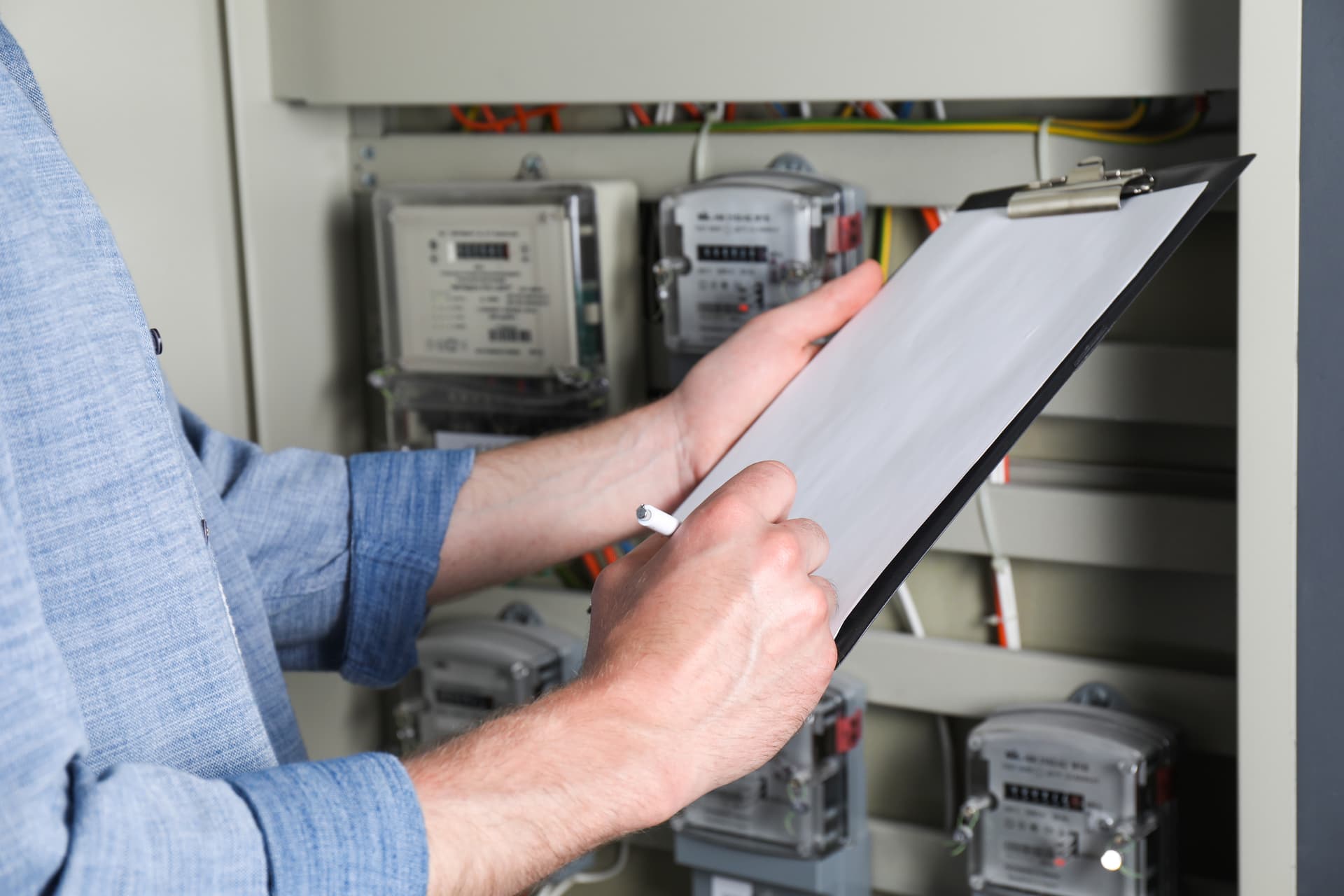
Stage one: checking the property and existing systems
We begin by identifying the locations of the devices and checking what is already in place. For a smart thermostat, that means looking at the heating controls, the boiler interface and the cable arrangement behind the existing thermostat or programmer. The visible control may look simple, but the wiring behind it determines which installation method is suitable.
For cameras, doorbells and other connected devices, we consider where they can be fixed, how cables can be run, what they will be able to see and whether there is a suitable power supply. A solid brick wall in a Pontefract terrace may require a different fixing approach from a plasterboard partition in a newer property. The aim is to avoid unnecessary disturbance while still producing a secure, reliable finish.
We also check the network position. A device may be correctly wired but unreliable if it is installed where the wireless signal is weak. If a camera is placed at the far end of a property, for example, its position needs to be judged alongside its field of view and connection quality. Moving the device slightly can sometimes be more effective than creating extra cabling or relying on a poor signal.
Stage two: agreeing the installation route
Once the existing arrangements are understood, we agree how the work will be carried out. There are usually several routes to consider:
- Reusing suitable existing wiring where it is safe and compatible
- Installing a new cable route where the device needs a dependable permanent supply
- Positioning equipment differently to reduce cable length, drilling or visible cable covering
- Using the correct interface or control equipment when the existing heating system does not connect directly to the new thermostat
This decision is where experience matters. The shortest route is not always the best route. A cable hidden too tightly against other services, a device mounted where it cannot communicate properly or a control positioned where it receives misleading temperature readings can all create problems after the installation appears complete.
In older properties around Rothwell, Garforth and Methley, access may be affected by solid walls, boxed-in services or previous alterations. In a modern property, the challenge may instead be coordinating the new equipment with existing network cabling, the consumer unit (fuse box) or a pre-installed home network. We explain the route before work begins, so you know which areas need access and which can remain untouched.
Stage three: carrying out the electrical work safely
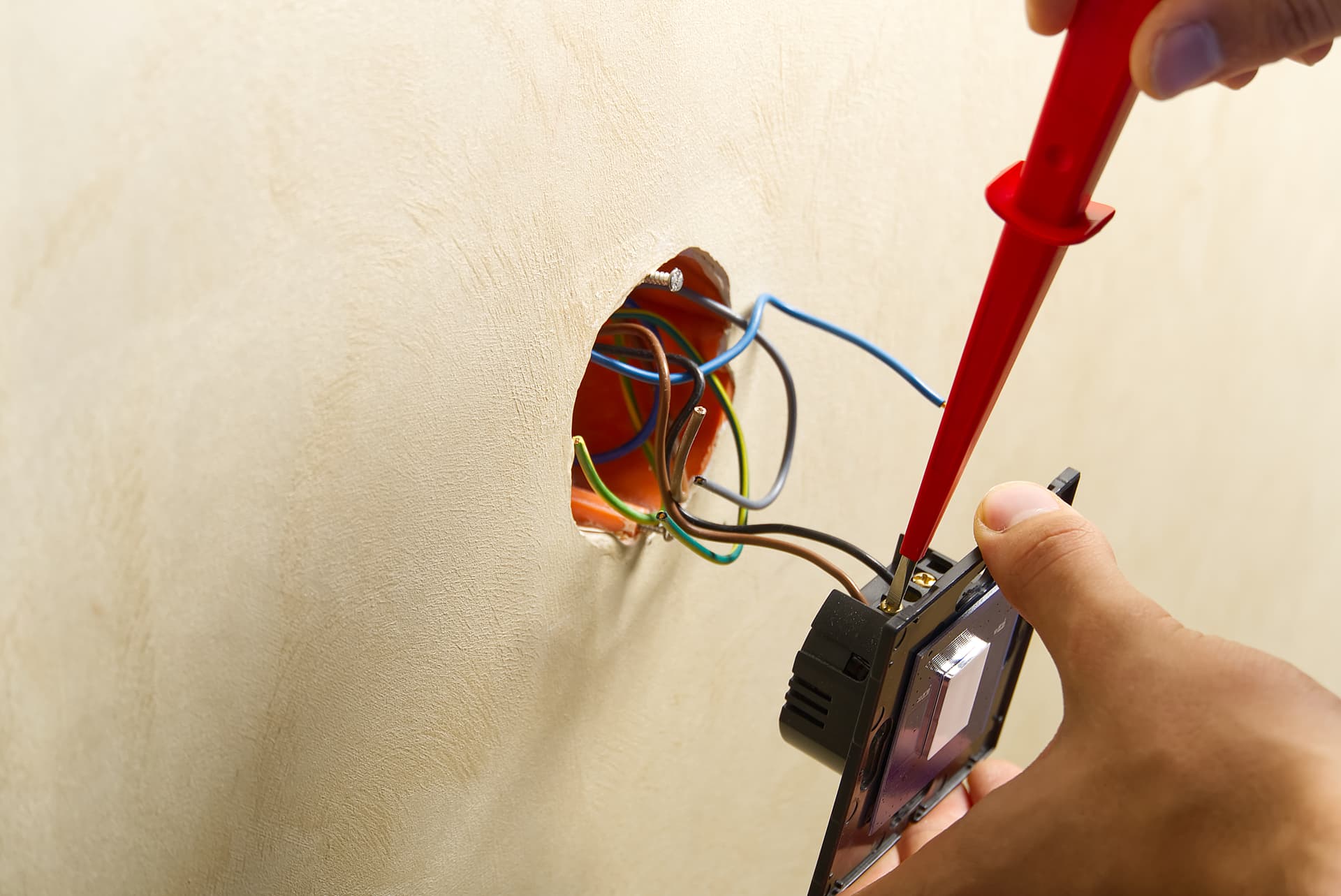
Before making electrical changes, we isolate the relevant supply and carry out the work using the appropriate method for the property. We protect nearby surfaces, keep tools and materials controlled, and aim to keep any access points as limited as possible.
Some installations involve replacing an existing control in the same position. Others need a new cable, a mounting plate or a power connection in a different location. Where a wall or ceiling needs access, the amount of surface repair and finishing depends on the construction and the route selected. We do not treat every property as if it has the same hidden spaces, cable paths or fixing points.
You should not remove heating controls, alter installed wiring or open switches, sockets or other electrical fittings yourself to make the job quicker. A smart device still forms part of the electrical installation, even when much of its operation happens through an app. Safely switching off and checking the relevant power supply, making the correct connections and testing the work are essential to prevent unreliable operation or a dangerous fault.
Stage four: configuring the system, not just fitting it
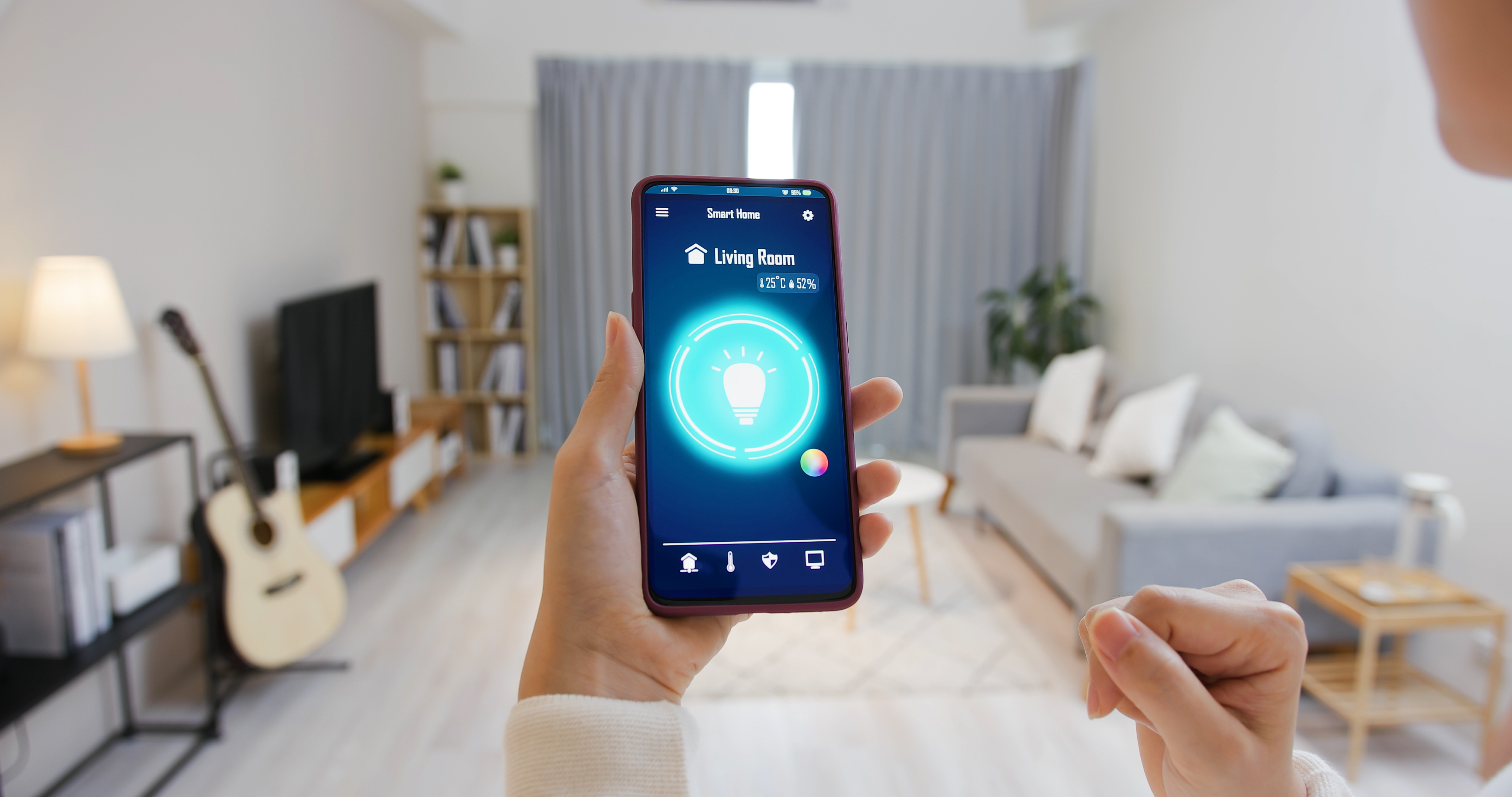
A device is not properly installed simply because it is attached to the wall. We configure the controls, connect the relevant app or account, check device communication and confirm that the system responds as intended.
For a thermostat, that includes checking that the heating responds correctly to control changes and that the displayed temperature makes sense for its location. For cameras or doorbells, it means checking the viewing area, notifications and privacy zones so the system does what you expect without unnecessarily monitoring neighbouring property or public space.
We also check the practical handover points: who can access the system, which alerts are enabled and what happens if the Wi-Fi connection drops. These details are easy to overlook when installation focuses only on the physical fitting.
Stage five: testing and handing the system over
The final stage is testing the electrical work and operating the devices in their intended settings. We check that controls, power supplies and connected equipment behave correctly before we leave. We then show you the main functions, including how to change settings and where to find important alerts.
Our qualifications include NAPIT registration, City and Guilds, Part P and NVQs. That electrical foundation is important because smart home equipment still needs to be installed as part of a safe, properly tested system.
For homeowners in Pontefract, Wakefield, Castleford and the surrounding areas, the best way to keep disruption under control is to arrange the design and access questions before installation day. Contact CS Electrical to discuss your property, the devices you want to connect and the most suitable installation route.
Other Articles