Blog
Are Your Electricians Qualified and Insured? What to Check Before Work Starts
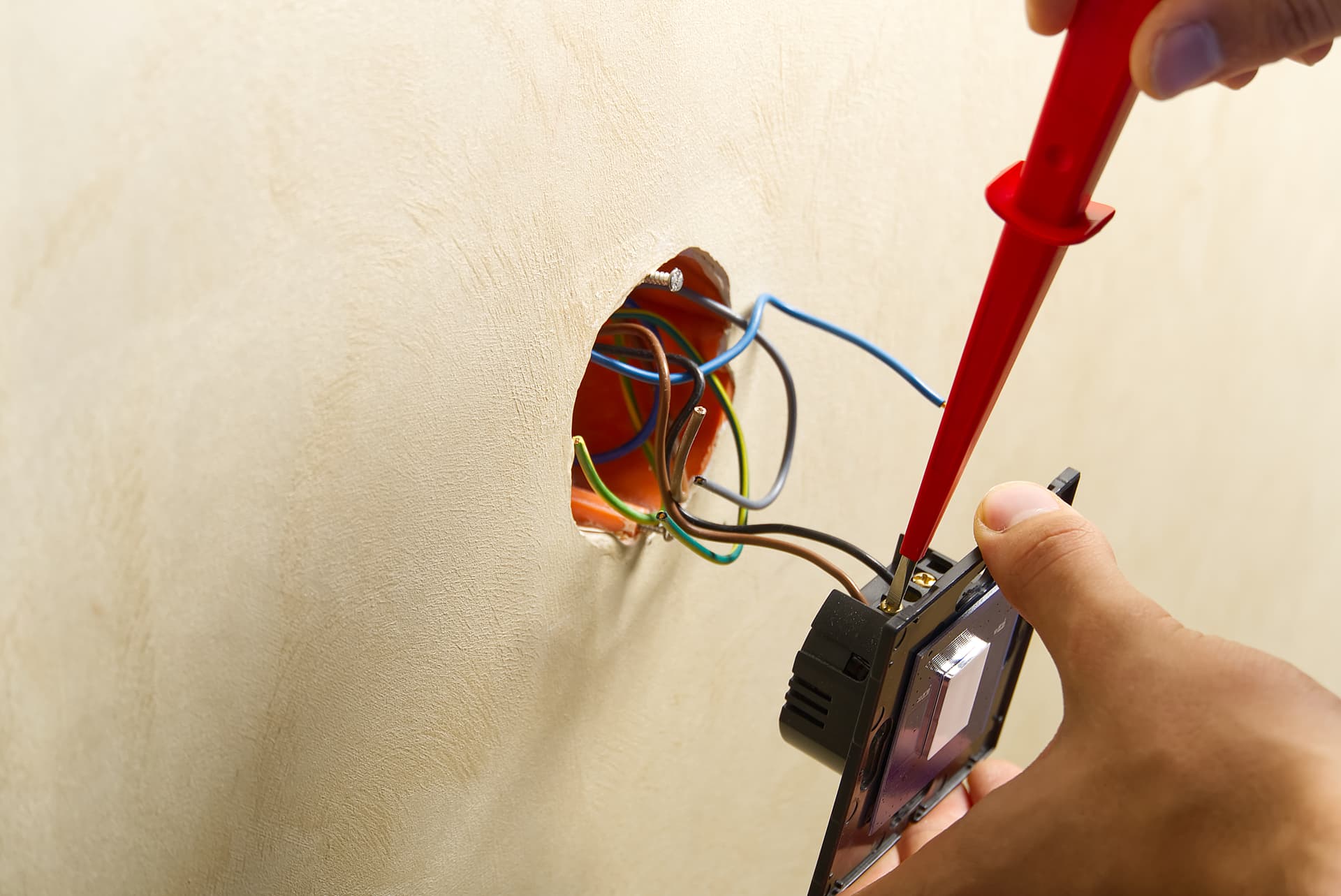
Choosing an electrician is about more than fitting the part
When you need an extra socket, a lighting change, fault finding or more substantial electrical work, the important decision is not simply who can arrive and complete the task. You need to know whether the person working on your installation has the training, registration and protection needed for the work involved.
That distinction matters because electrical work can look neat while still containing serious faults. Incorrect cable sizes, poor connections, unsuitable safety devices or incomplete testing may remain hidden until a circuit overheats, trips repeatedly or becomes dangerous.
At CS Electrical, we carry out domestic and light-commercial electrical work across Pontefract, Rothwell, Garforth, Castleford, Wakefield and surrounding areas. Our Electrical Services cover the practical work itself, but choosing safely starts with understanding what the credentials actually mean.
What qualifications tell you
A qualification should relate to the type of work being undertaken. It is reasonable to ask what training an electrician has completed and whether it covers installation, inspection and testing where those activities form part of the job.
Our business credentials include City and Guilds, NVQs, Part P and NAPIT registration. These are not interchangeable labels. They form different parts of an electrician’s competence and regulatory framework.
Installation skills
An electrician working in a home needs to understand how circuits are designed, installed and protected. That includes choosing suitable cables, switches and safety equipment, then making secure connections inside walls, ceiling spaces and electrical boxes.
This knowledge becomes particularly important in older properties around Pontefract and Castleford, where previous alterations may have created a mixture of wiring methods, extensions and disconnected or repurposed circuits. The visible fitting may be modern, but the wiring behind it can still need careful assessment.
Inspection and testing
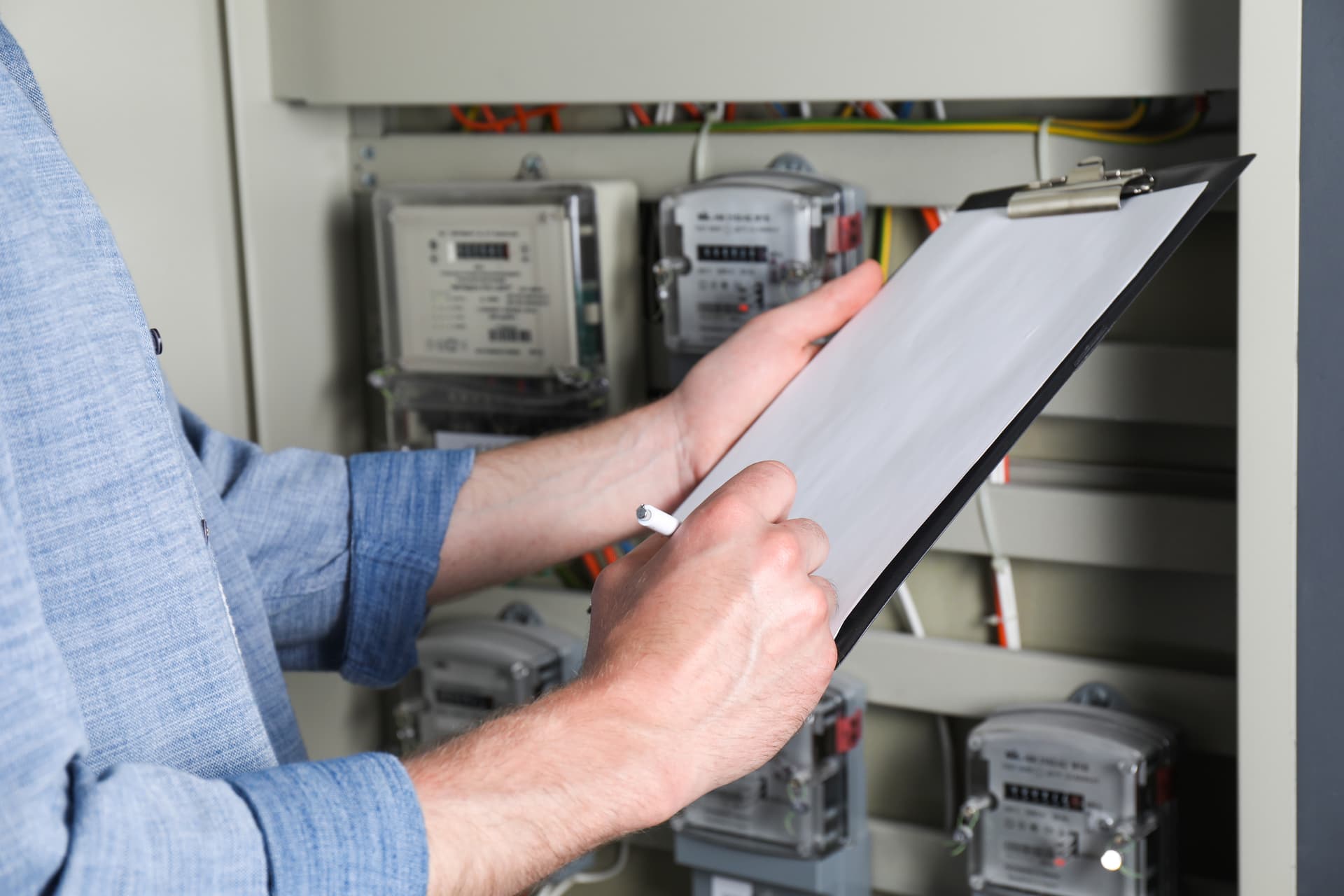
Installation is only part of the job. Testing checks whether the completed work behaves as it should and whether the protective measures will operate when needed. Depending on the work, this can include checking that the electrical paths are complete, the insulation is sound, the connections are correctly arranged and the safety devices work when needed.
You should expect an electrician to explain what testing is relevant to your job and what documentation will be provided afterwards. A certificate is not a substitute for competent work, but it is an important record of what has been inspected and tested.
Registration and Part P
Part P and NAPIT registration are terms you can ask an electrician to explain in relation to the work proposed. It is still sensible to check that the registration belongs to the business you are instructing and that it covers the work being proposed.
For larger projects, such as changing the consumer unit (fuse box) or rewiring a house, ask how the work will be tested, what certificate applies and whether any required notices need to be handled. A professional should be able to answer those questions clearly rather than treating paperwork as an afterthought.
What insurance is there to protect you from?
Qualifications address competence. Insurance addresses risk. They are separate checks, and one does not prove the other.
Before work starts, ask whether the electrician holds appropriate public liability cover and request confirmation if you need it for your records. This is especially relevant where work could affect ceilings, plasterwork, flooring, decorations or neighbouring property. If an accident or accidental damage occurs, the correct policy helps establish how that situation is handled.
You should also clarify who is actually carrying out the work. If a business uses another contractor, ask whether that person is covered by the relevant arrangements and who remains responsible for testing, certification and repairing any damage. Clear answers at the start are preferable to trying to resolve responsibility after a problem.
Questions worth asking before accepting a quote
A short checklist can reveal whether an electrician takes the technical side seriously:
- What qualification or registration is relevant to this particular job?
- Will the existing circuit be inspected before new work is connected?
- What testing will be completed when the work is finished?
- Which certificate or report will you receive?
- Is the work covered by appropriate public liability insurance?
- If the property contains older wiring, how will any defects be dealt with?
- Who is responsible for sending any required notices about the work?
The answers should be specific to your property, not a generic assurance. For example, adding a socket to an existing circuit may require different checks from replacing a light fitting, upgrading a consumer unit (fuse box) or rewiring a property.
Making the decision with confidence
Do not choose solely on the lowest quote or the earliest available appointment. Compare what work is included, the qualifications relevant to it, the testing process and the documentation you will receive. A clear explanation is a useful sign that the electrician has considered the installation rather than just the visible symptom.
If you are arranging electrical work in Pontefract or the surrounding West Yorkshire areas, We can discuss your requirements and explain what needs checking before work begins. Contact us to arrange a clear assessment for your home or light-commercial property.
Other Articles